

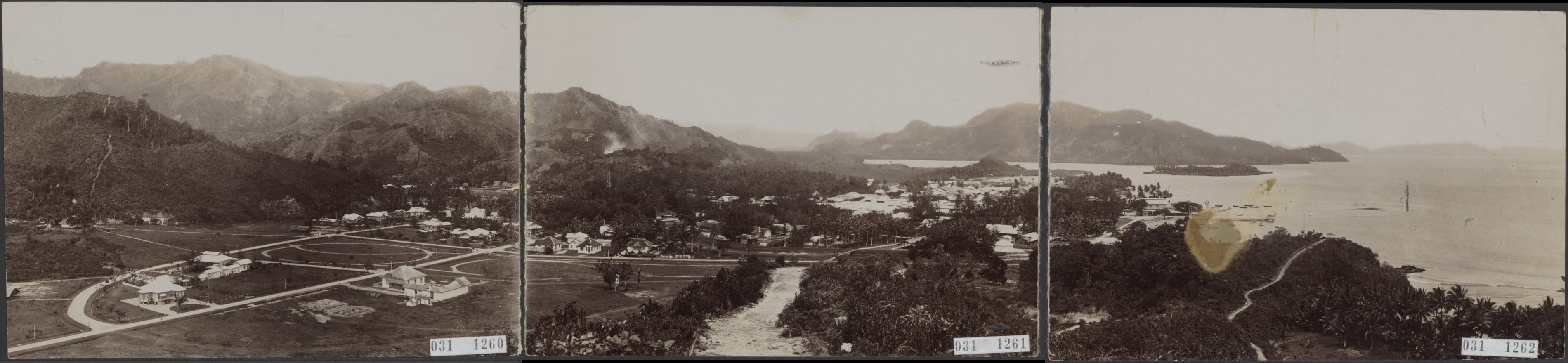
The History of Sibolga
From Poncan Ketek to Modern Sibolga
Before the mainland city existed, the bay was anchored by Poncan Ketek, a small island where Datuk Bandar oversaw trade in camphor, benzoin, spices, and gold.
In the 19th century, the Dutch moved the port ashore as Bandar Baru and made Sibolga the capital of the Tapanuli Residency, shipping coffee, rubber, and forest resins to Europe.
After independence, Sibolga became an Autonomous Region in 1946 and a Kotapraja in 1956. Today it is Indonesia's smallest municipality, yet remains a vital gateway to Nias and a home to many cultures.
1700s
Poncan Ketek and the Datuk Bandar
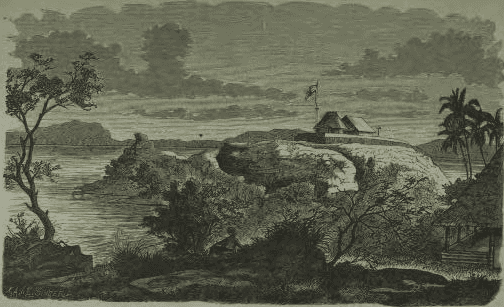
Before Sibolga stood on the mainland, trade was centered on Poncan Ketek, a small island in the bay. Under a leader titled Datuk Bandar, seafarers bartered camphor, benzoin, spices, and gold. The deep, calm waters of Tapian Nauli made it one of the safest anchorages on Sumatra's western shore.
1800s
Dutch Tapanuli Residency
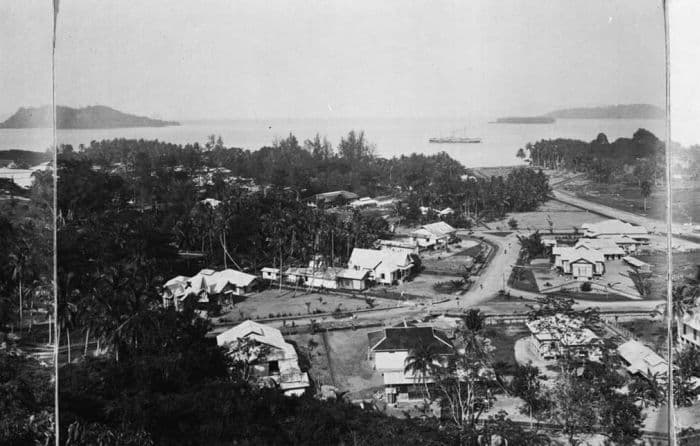
The Dutch found Poncan Ketek too small for a growing port, so they created Bandar Baru on the mainland, the Sibolga of today. The city became the capital of the Tapanuli Residency and a hub for coffee, rubber, and forest resins shipped to Europe. Warehouses, offices, and a European quarter lined the hillside above the bay.
1900s
City of Independence
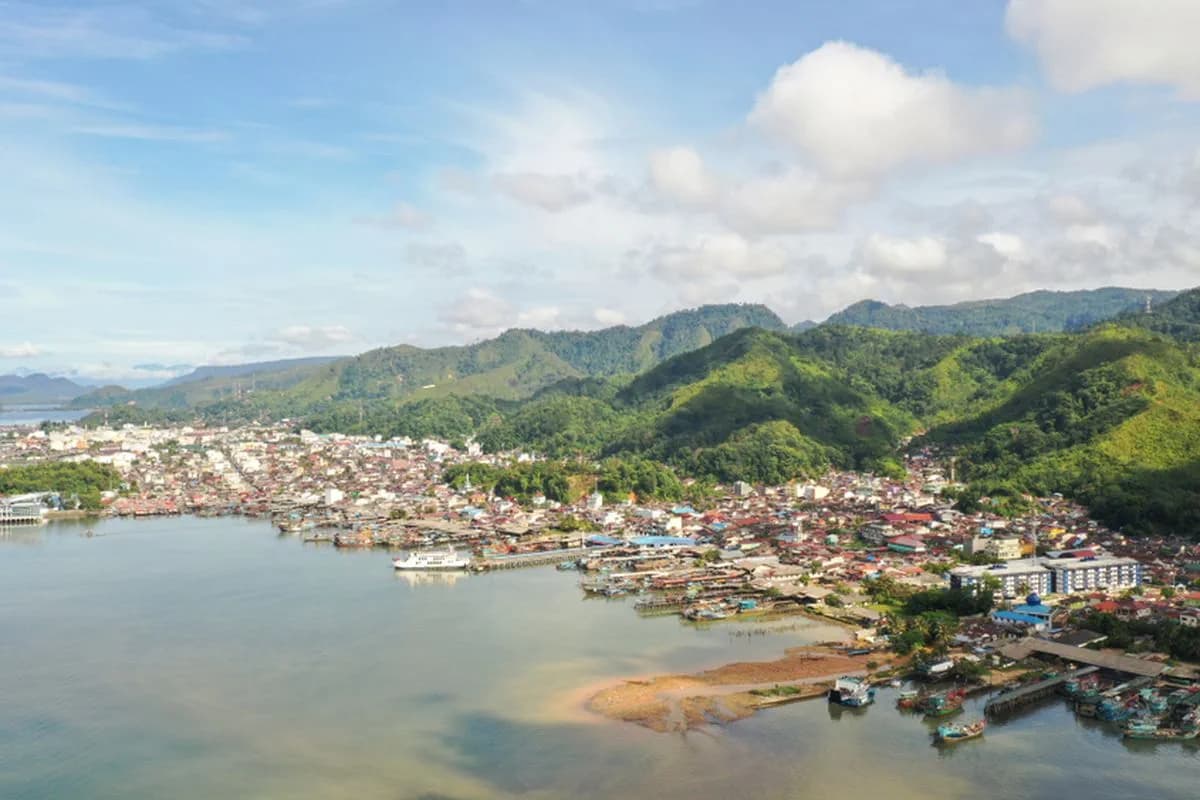
After Indonesia gained independence, Sibolga was named an Autonomous Region in 1946 and became a Kotapraja under Law No. 8 of 1956. Today it is Indonesia's smallest municipality by land area, yet it remains a vital transit harbor, especially for the island of Nias, and a multi-ethnic home to Batak, Minangkabau, Malay, Nias, Javanese, and Chinese communities.